Kitchen backsplash cost: price per square foot, by material
A backsplash is one of the smallest areas in a kitchen and one of the easiest places to overspend, because the price is set less by the area than by what goes on it. The same stretch of wall between the counter and the upper cabinets can be tiled for a few hundred dollars or faced with a single slab for several thousand, and both are quoted per square foot as if they were the same product. The figures below are US 2026 ranges, in dollars per square foot of finished wall, with what each one assumes: the area measured from the countertop to the underside of the upper cabinets, no plumbing or electrical moves, and the wall left as it is. Where a material has a published material-only price, it is given separately, because the installed figure includes labour, adhesive and grout, and the two are not interchangeable.
HomeDesignly editorial team10 min read
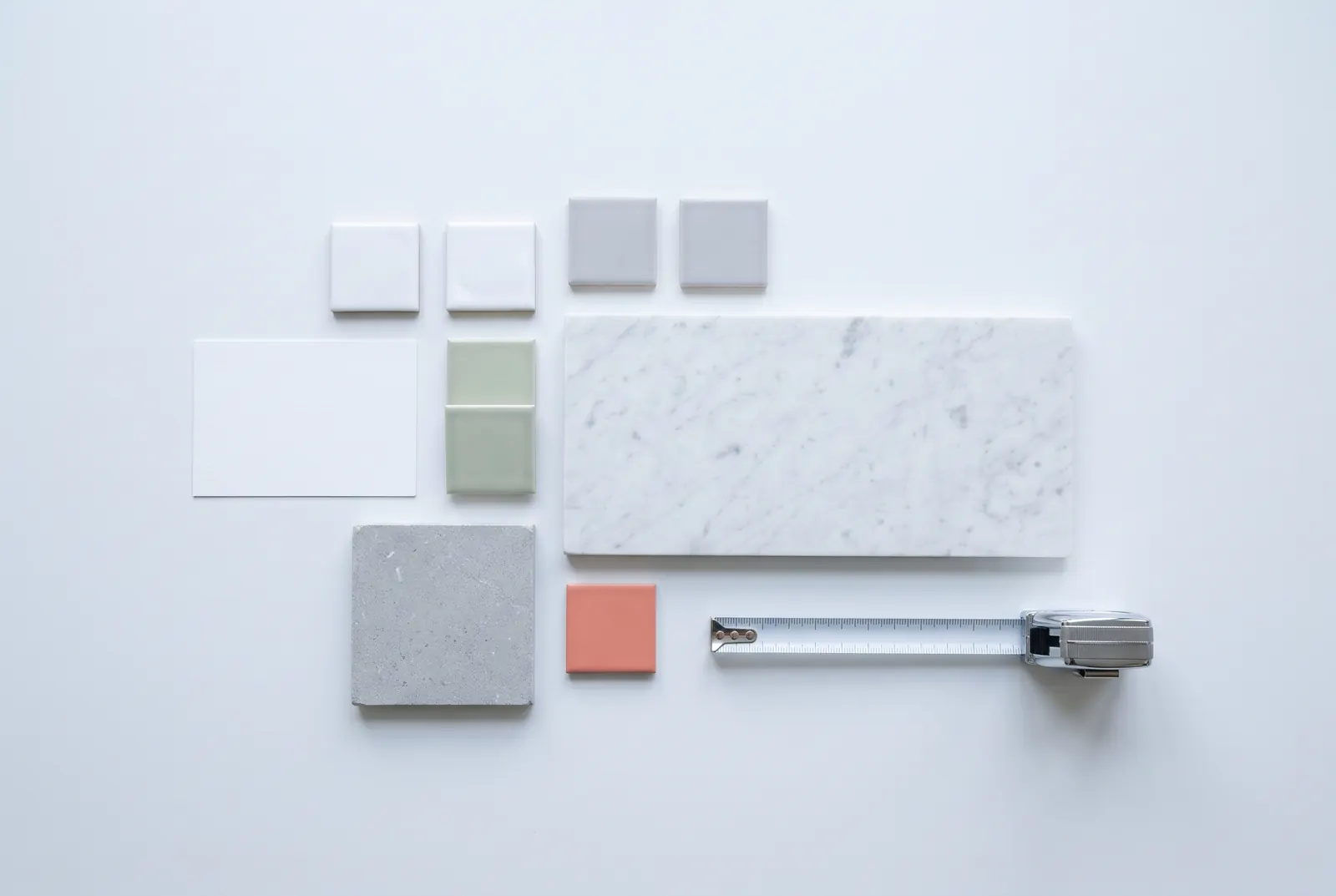
Key takeaways
- Installed backsplash work averages about $25 per square foot and runs from $5 to $150 depending on the material — a range wide enough that the material decides the budget[1].
- Most backsplashes land between $500 and $1,500 for the whole job, with budget versions near $200 and high-end slabs up to about $6,000[1].
- Material is 30% to 70% of the installed price, depending on what is being laid; labour is the rest[1].
- Pattern costs money: herringbone and mosaic layouts sit at the top of their material's range because of the setting time[1].
- A slab reads as the same wall area as tile and costs about twice as much installed — roughly $30 per square foot against $15 for tile[1].
On this page
What the numbers cover
A backsplash is measured as wall area: the length of the counter run, multiplied by the height from the countertop to the underside of the upper cabinets[1]. That height is why two kitchens with the same footprint can have very different backsplash areas — where the uppers stop low, there is more wall to cover, and where they run to the ceiling there is less.
The installed price covers the tile or slab, the adhesive and grout, the trim or edge, and the labour to set it. It does not cover removing an existing backsplash, moving a socket or a supply, repairing a wall, or the difference between a flat wall and one that has been tiled before. Those are the line items that turn a $600 job into a $1,200 one within the published $500 to $1,500 band[1], and they are quoted separately because they are not tile work.
The arithmetic is worth doing before any quote is compared. At the national average of about $25 per square foot[1], a 25 square foot backsplash lands near $625 installed — which is roughly where the published size table puts it, at $625 for 25 square feet[1]. A quote that is double that for the same area is not necessarily wrong, but the difference has to be explainable by material, pattern or wall condition, not by the word 'backsplash'.
Measure the wall, then subtract only what will not be tiled: a window, a hood, an open shelf. An outlet plate is a cut, not a deduction, and the same for a switch. Two people measuring the same kitchen will differ by the height they measured to, which is why the figure belongs in the quote rather than in a message.
The same area, six materials
The table below uses the installed ranges published for US backsplash work[1]. Read the range as the span between a simple layout in that material and a complex one, not as a price for a particular tile: the same ceramic can be $12 or $30 per square foot installed depending on size, pattern and how the wall was left.
The ranges are honest rather than precise, and that is the point: the same material appears at both ends of its band in real kitchens, because a simple layout against a flat wall and a pattern around three outlets are different jobs even when the square footage is identical. Use the band to choose between materials, and the specific quote to choose between contractors.
Installed backsplash cost per square foot by material, US 2026, and what moves a job up its range[1]
Why the same area costs double
**The pattern.** Herringbone and mosaic layouts sit at the top of their material's range because every piece is set individually and every cut is a decision[1]. A subway tile laid in a running bond is the fastest pattern there is; the same tile in herringbone can cost twice as much in labour for the same wall.
**Slab instead of tile.** A slab is priced like a worktop, not like a wall covering: it is templated, cut in one piece and installed with the joins planned out. Installed, slab backsplashes average about $30 per square foot against about $15 for tile[1]. What buys with the difference is the absence of grout lines, not a better material.
**The details.** A niche, a shelf, an exposed edge or a change of plane at a window all add setting time and trim pieces. They are small areas with a disproportionate share of the labour, which is why a quote can rise without the square footage changing at all.
**Removing what is there.** Taking off an old backsplash — especially a short splash glued to the wall behind the counter — is demolition, not tiling, and it is quoted separately. The same applies to the plaster or drywall repair underneath, which is the item nobody plans for and everybody pays for.
**A small job.** Most trades have a minimum charge, so the smallest backsplashes carry the highest price per square foot. A 10 square foot splash can be quoted at a rate that looks absurd per square foot and is entirely normal as a day's work[1].
Where the money sits inside a single job is worth knowing before the tile is chosen. Material runs between 30% and 70% of the installed price, with labour making up the rest[1] — so on a cheap tile the labour dominates, and on an expensive one the material does. That is also why upgrading the tile on a small splash costs less than upgrading the pattern on the same tile: one changes the material share, the other changes the hours.
Three site conditions that change the quote
Everything above assumes a sound, flat wall. Most kitchens do not have one, and the three conditions below are the ones that move a quote without changing the tile.
Sequence matters as much as price. The wall has to be sound before anything is set, the services have to be in their final positions before the wall is closed, and the cabinets and worktop have to be fixed before the splash is measured to them. A backsplash quoted before the worktop is templated is a guess, however carefully it is priced.
Site conditions that change a backsplash quote, and how they show up in the numbers[1]
Checking a quote
A backsplash quote is comparable once it states four things: the area in square feet, the material and pattern, whether removal and wall repair are included, and the height it has measured to. Two quotes that disagree without those four numbers on the page cannot be compared, and the cheaper one usually has less in it.
The useful questions are short. How many square feet have you measured, and to what height? Is the old splash coming off, and who repairs the wall? Are the sockets being moved, and is that in your price or the electrician's? Which pattern have you priced, and what would the same material cost in a running bond? A contractor who answers those in writing is quoting a scope, not a rate.
Finally, keep the finishes in proportion. A backsplash is a small part of a kitchen budget next to cabinets, worktops and appliances; the guide to what a kitchen remodel costs puts the whole job in context, and it is the number to check a backsplash decision against. If the choice is still open, the AI kitchen design view is a cheap way to see whether a strong tile or a quiet one suits the room before anything is ordered.
One more comparison to make before signing: ask whether the quote includes the trim at the top of the splash and at any exposed edge. It is a small item with a visible finish, and it is the one most often left out of a per-square-foot rate and added later as an extra.
Put two quotes side by side as line items, not as totals. A lower total that excludes removal, levelling or trim is not a lower price, it is a shorter scope; a higher one that includes all three may be the better number. The line items that matter are the same ones every time: area, material, pattern, preparation, removal, trim, and who makes good afterwards.
Try the finish before the tile is ordered
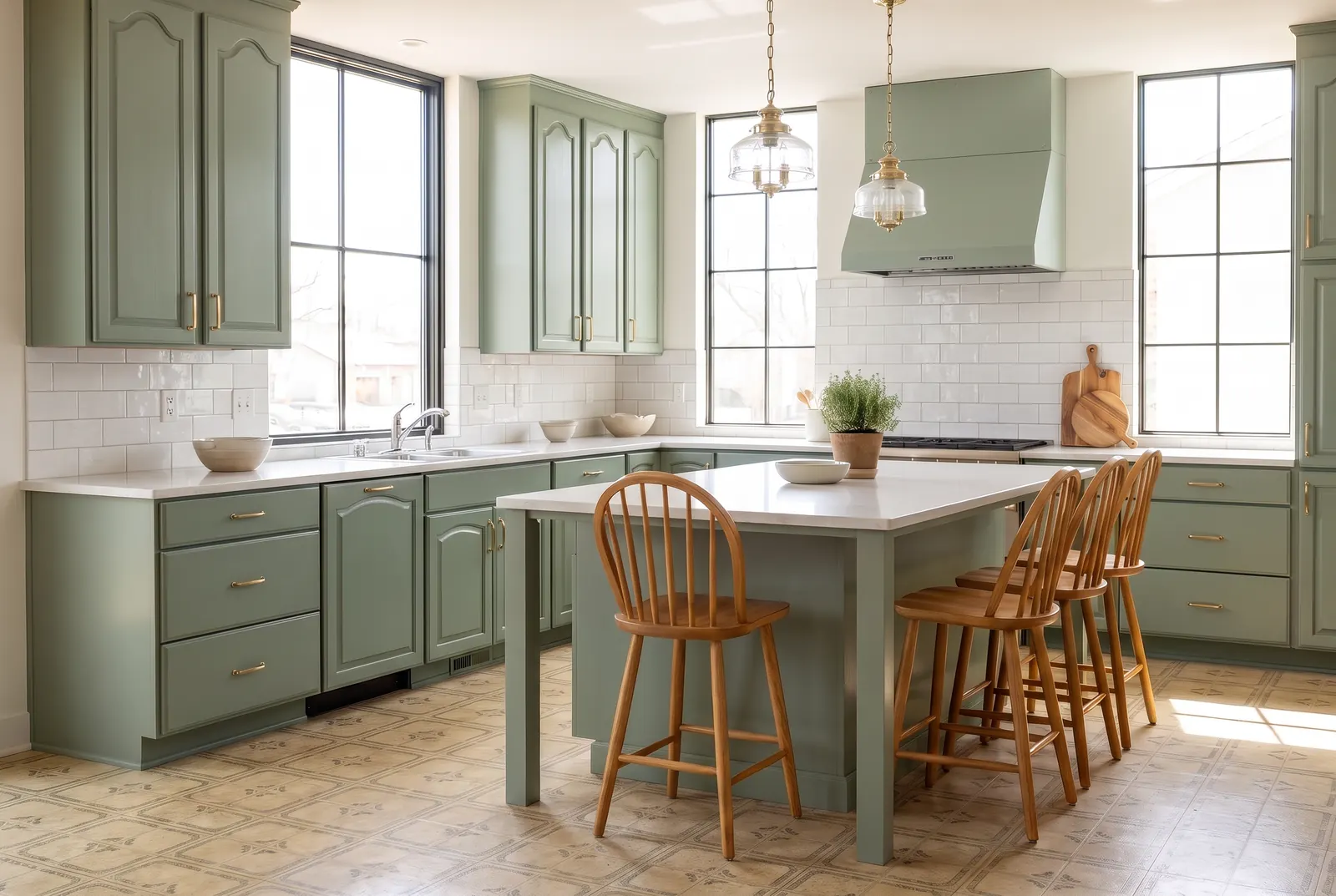
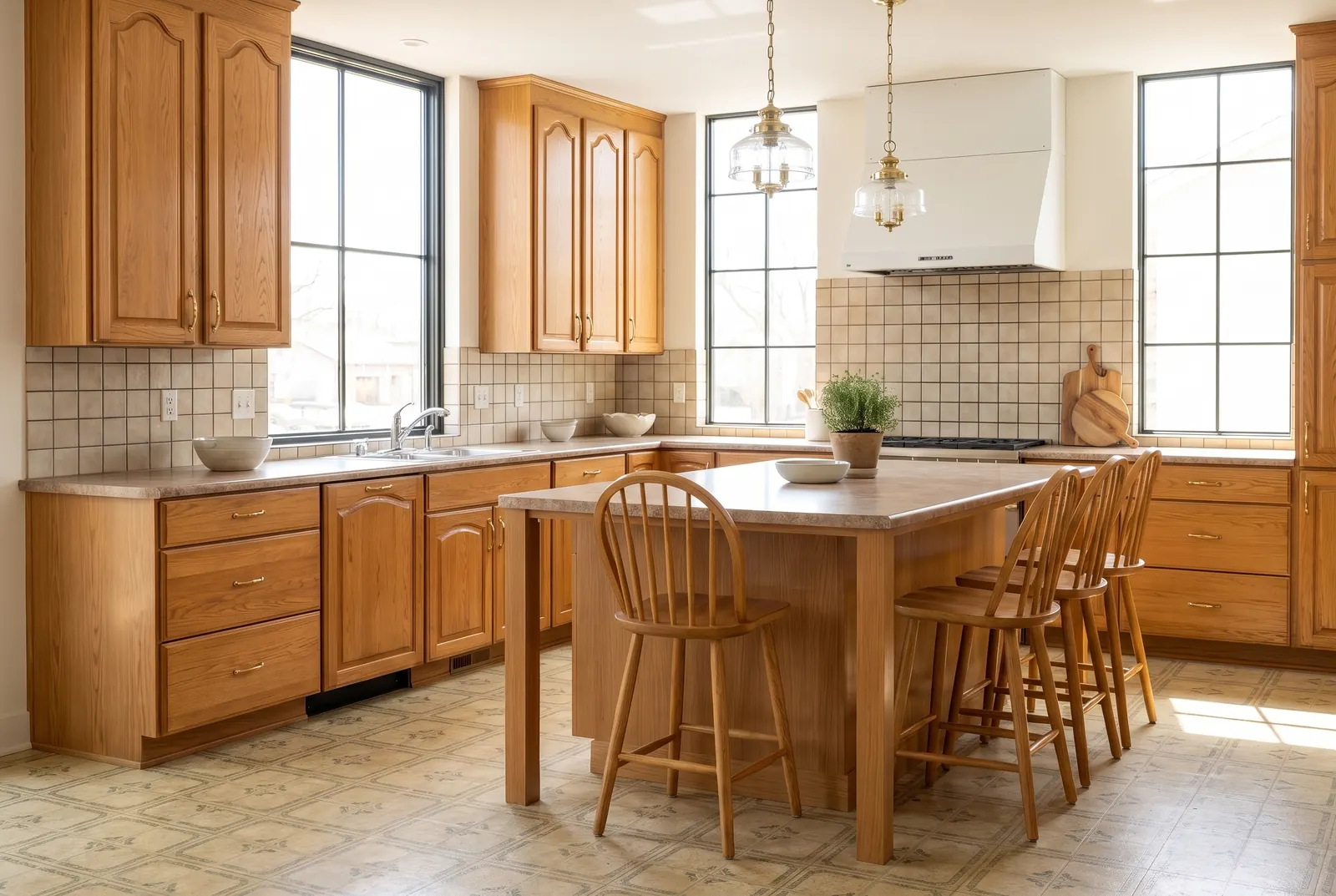
See the backsplash at the height it will actually be installed, against the cabinets and worktop it has to live with. It is the cheapest way to find out that a tile that looked right in a sample is too busy across a whole wall.
Frequently asked questions
How much does a kitchen backsplash cost in total?
Most US jobs land between $500 and $1,500, with budget versions around $200 and high-end slab work up to about $6,000[1]. The total is area times the per-square-foot rate for the material and pattern, so a 25 square foot splash at the national average of about $25 per square foot comes to roughly $625[1].
Is a slab backsplash cheaper than tile?
No. Installed, slab backsplashes average about $30 per square foot against about $15 for tile[1], and the stone itself is priced above tile before any labour[2]. A slab is chosen for the seamless look, and it is paid for accordingly.
Does a peel-and-stick backsplash count as a cheaper option?
It is a different product, not a cheaper version of tile. A peel-and-stick sheet is an adhesive layer with a printed finish — no tile body, no grout joint — so it is sold by the pack rather than priced per square foot of installed wall. Treat it as a temporary finish to be replaced, not as a tiled wall to be lived with.
Sources
Numbers in brackets in the text point to these sources.
- 1.Fixr, How Much Does It Cost to Install a Backsplash? (US cost data, 2026), accessed November 5, 2026.
- 2.Surfaces Galore, Marble Tile Cost Per Square Foot: A 2026 Buyer's Guide, accessed November 5, 2026.